
 By Nick Willson
Key Takeaways
- Only specific family members are eligible to file a wrongful death claim in Texas.
- Wrongful death lawsuits provide financial support and justice for survivors.
- There are strict time limits and procedural rules for filing these claims.
- Consulting a qualified attorney is crucial to navigating a wrongful death case.
Table of Contents
- Understanding Wrongful Death in Texas
- Who Is Eligible to File a Wrongful Death Lawsuit?
- Special Circumstances and Multiple Claimants
- Types of Damages in a Wrongful Death Lawsuit
- Statute of Limitations for Filing
- Why Legal Representation Matters
- Conclusion
Understanding Wrongful Death in Texas
Wrongful death refers to a legal claim made when someone dies as a result of another party’s negligence or intentional act. In Texas, these lawsuits typically arise after fatal car accidents, medical malpractice, or other catastrophic incidents. The right to pursue compensation after such a loss aims to support surviving family members financially and to hold responsible parties accountable. For families dealing with the devastation of losing a loved one, an experienced wrongful death lawyer in Houston can provide valuable guidance and representation in a challenging time. Texas wrongful death laws are specific about who may file a lawsuit and what compensation may be recovered. The case must prove that the death was caused by another’s “wrongful act, neglect, carelessness, unskillfulness, or default.” Understanding your eligibility is the first step in seeking justice for your family member’s untimely death.
Who Is Eligible to File a Wrongful Death Lawsuit?
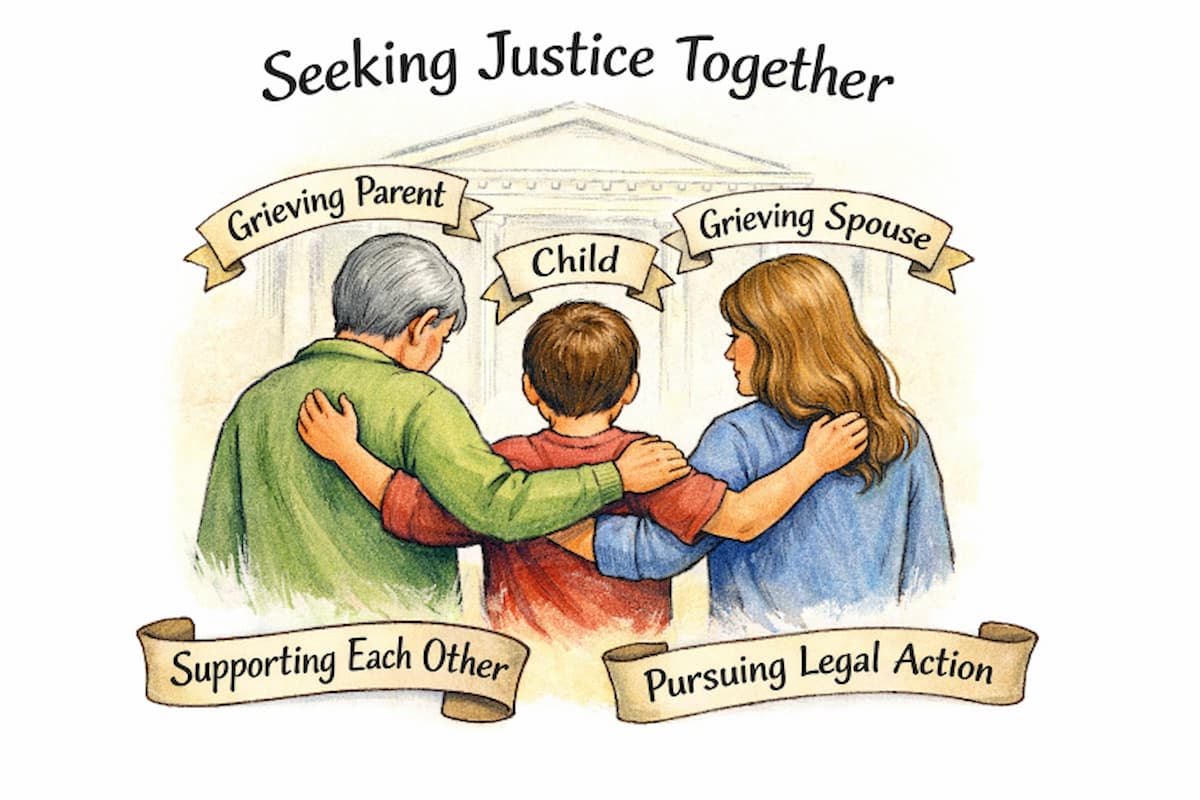
Only certain individuals have the legal standing to bring a wrongful death lawsuit in Texas. By law, these parties include:
- Spouses: The surviving husband or wife may file a claim. This includes both legally married and common-law spouses.
- Children: Biological and legally adopted children of the deceased may file. Stepchildren are not eligible unless they have been legally adopted.
- Parents: Biological or adoptive parents of the deceased can pursue a lawsuit. Foster parents and guardians are not granted eligibility.
Other close relatives, such as siblings, grandparents, or cousins, are not permitted to initiate wrongful death claims under Texas law, even if they were dependents or were otherwise close to the deceased. Excluding these relationships keeps the statute narrowly focused on immediate family members most affected by the loss.
It is also important to note that all eligible family members have the right to join together in a single lawsuit or to file individually. Working together often streamlines the process and reduces the potential for intra-family legal conflicts.
Special Circumstances and Multiple Claimants
Situations sometimes arise where none of the eligible family members file a lawsuit within three months of the person’s death. In this scenario, the executor or personal representative of the deceased’s estate can file a wrongful death action on behalf of the estate. However, eligible family members may request that the estate not pursue the lawsuit if they reach a consensus. When there are multiple claimants, Texas courts divide any damages awarded according to each party’s loss, as determined at trial or agreed to in a settlement. This approach is intended to ensure the financial recovery is fair and balanced among all eligible survivors.
Types of Damages in a Wrongful Death Lawsuit
In Texas, wrongful death claimants can pursue compensation for both economic and non-economic damages, including:
- Loss of financial support the deceased would have provided
- Loss of companionship, love, and comfort
- Mental anguish and emotional pain suffered by the survivors
- Loss of inheritance, which covers assets or benefits the survivors would have expected to receive
- Medical and funeral expenses if paid by eligible family members
In certain cases involving gross negligence or willful conduct, Texas law also allows for exemplary (punitive) damages designed to punish the at-fault party and deter similar behavior in the future. These additional damages are awarded on top of compensatory relief and are less common but significant when available. The Texas Civil Practice and Remedies Code, Chapter 71, provides more on prevailing law regarding wrongful death damages and procedures.
Statute of Limitations for Filing
Texas imposes a strict two-year statute of limitations for wrongful death lawsuits, beginning from the date of the person’s death. Missing this deadline can permanently bar your claim from being heard. In rare instances, courts may permit extensions if there was fraud, a minor involved, or unknown facts that prevented timely action, but these situations are exceptional, not the norm.
Why Legal Representation Matters
Wrongful death lawsuits involve complex legal issues and emotional challenges for families. Working with a skilled attorney can be critical to understanding your rights, gathering evidence, valuing your claim, and ensuring all legal requirements are met. Lawyers experienced in Texas wrongful death law can also communicate with insurance companies, negotiate settlements, and represent your interests in court if necessary.
Conclusion
The Texas wrongful death statute provides a vital path for justice and support following a tragic loss. By clearly outlining who can file, what damages are available, and when action must be taken, the law protects grieving families and ensures their voices are heard. If you have lost a loved one due to someone else’s negligence or misconduct, reaching out to a knowledgeable legal professional is one of the most important steps you can take to protect your family’s future.