
 By Katy Ramsey
Key Takeaways
- Short, routine inspections can uncover small vehicle problems before they become expensive repairs.
- Your owner’s manual should guide mileage-based and time-based service.
- Tires, brakes, fluids, lights, wipers, and battery condition need attention in every season.
- Seasonal preparation is especially important in places with hot summers, freezing temperatures, road salt, and potholes.
- Visual checks are suitable for many drivers, while repairs and diagnosis should be left to qualified technicians.
Why Year-Round Car Care Matters
Vehicle maintenance is easier when it becomes routine rather than a reaction to a warning light or a breakdown. Regular checks help drivers notice tire wear changes, fluid loss, weak starting, unusual noises, and declining visibility before these concerns disrupt a commute or road trip. For drivers looking for professional car maintenance in Toronto, a consistent plan can also make service visits more efficient. Keeping notes on symptoms and completed work provides a technician with useful context, especially when a problem occurs only under certain weather or driving conditions. Routine care supports both safety and reliability. A vehicle needs dependable traction, braking, steering, lighting, and clear windows to respond predictably. Small checks are not a substitute for scheduled service, but they can prevent a minor concern from becoming a roadside problem.
How To Build A Personal Maintenance Plan
Start with the owner’s manual, because every vehicle has its own requirements. Gas, hybrid, electric, and diesel vehicles may need different inspections and service intervals. Record recommended appointments by both date and mileage, then adjust for frequent short trips, towing, heavy loads, severe temperatures, or stop-and-go traffic.
- Monthly checks: Tires, lights, wipers, visible fluid levels, and leaks.
- Scheduled service: Oil and filter changes where applicable, brake inspections, rotations, and manufacturer-recommended fluid service.
- Seasonal preparation: Cooling system checks, battery testing, winter equipment, and road-salt removal.
Monthly Checks Every Driver Can Do
A monthly walk-around takes little time and creates a useful baseline for how the vehicle normally looks and feels. Perform tire checks before driving when possible. The recommended pressure is listed on the driver’s door placard or in the manual, not on the tire sidewall. Cold-tire pressure and tread checks recommended by road-safety officials also include the spare tire when your vehicle has one.
- Look for cuts, bulges, nails, cracking, and uneven tire wear.
- Test headlights, brake lights, signals, hazard lights, and reverse lights.
- Check engine oil, coolant, washer fluid, and other accessible reservoirs as directed by the manual.
- Inspect the windshield for chips and replace wipers that streak or skip.
- Look beneath the vehicle for new spots or drips.
- Pay attention to fresh rattles, squeaks, grinding, or vibrations.
Spring Car Care After Winter
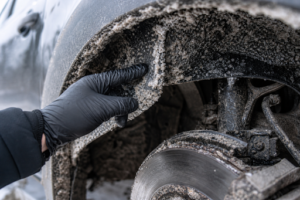
Winter leaves salt, slush, pothole impacts, and trapped moisture behind. When temperatures rise, wash the exterior and underbody thoroughly. Salt removal is particularly important around wheel wells, brake components, suspension parts, and exposed metal. Spring is also a practical time to check tire condition after rough roads, replace worn wiper blades, inspect brake performance, and test the air conditioning before the first hot day. If the steering wheel shakes, the vehicle pulls, or the ride feels unusually harsh, arrange an inspection rather than assuming the problem will resolve on its own.
Summer Checks for Heat and Long Trips
Heat places added strain on tires, batteries, cooling systems, and air conditioning. Before a long trip, check tire pressure and tread, verify coolant only when the engine is cold, and inspect for visible hose damage or leaks. Make sure the spare, jack, lug wrench, and emergency supplies are usable and accessible. Test the air conditioning during normal driving, not only while parked. A weak battery may still start the car on a mild day but struggle after heat exposure or repeated short trips. If you notice slow cranking, corroded terminals, or a battery warning light, have the charging system tested promptly.
Fall Preparation for Colder Weather
Fall is the best time to prepare without the pressure of the first snowstorm. Schedule a battery and charging system test, inspect the coolant condition, check exterior lights as daylight fades earlier, and replace wipers that no longer clear water cleanly. Also, review your tires before temperatures drop. Drivers who use winter tires should book installation early and avoid mixing tire types across the vehicle. Restock a basic emergency kit with gloves, a flashlight, a charging cable, first-aid supplies, and items suited to local travel conditions.
Winter Care for Safer Driving
Cold weather can lower tire pressure and expose a weak battery. Clear snow and ice from every window, mirror, light, camera, sensor area, and the roof before driving. Keep winter-rated washer fluid topped up, and rinse salt from the vehicle whenever the weather allows. Build a winter-ready vehicle kit. Ontario’s guidance on getting ready for winter driving emphasizes preparing both the vehicle and its occupants. Carry warm clothing, water, non-perishable food, a flashlight, jumper cables, a scraper, a small shovel, and traction material when conditions may leave you stranded.
Warning Signs That Need Quick Attention
Do not wait for the next routine appointment if the vehicle changes suddenly. Braking issues, overheating, a flashing warning light, strong fuel or burning smells, repeated battery trouble, steering pull, or significant vibration all deserve timely inspection. If the temperature gauge climbs into an unsafe range, pull over when it is safe, turn off the engine, and allow it to cool. Never remove a hot radiator cap. For brake or steering concerns that affect control, avoid driving until a qualified professional has assessed the vehicle.
How To Prepare for a Service Visit
Clear details help technicians diagnose concerns faster. Write down when the symptom began, whether it occurs during braking, acceleration, turning, or startup, and whether weather affects it. Note any dashboard messages, smells, or sounds, as well as recent work such as tire replacement or battery installation. Ask for a written estimate that separates urgent safety repairs from maintenance that can be scheduled later. Before approving work, confirm what problem is being addressed, which parts will be used, and whether follow-up service is expected.
A Simple Routine Makes Car Care Easier
Reliable vehicle care does not require mechanical expertise. It requires attention, records, and a repeatable schedule. Monthly checks, seasonal preparation, and manufacturer-recommended service work together to reduce surprises, protect safety, and keep your vehicle ready for daily driving in every season.
Conclusion
Year-round car maintenance does not have to be complicated. A simple routine of monthly inspections, scheduled servicing, and seasonal preparation can help drivers catch problems before they become costly or disruptive. Checking tires, brakes, fluids, lights, wipers, and battery condition gives you a better understanding of your vehicle’s condition, while the owner’s manual provides the service intervals specific to your car. Preparing for Toronto’s changing weather is equally important, from removing winter road salt and checking for pothole-related damage to preparing for summer heat and freezing temperatures. When something looks, sounds, or feels unusual, addressing it early can help protect both reliability and safety. By making vehicle care part of your routine and leaving complex diagnosis or repairs to qualified technicians, you can keep your car better prepared for commuting, road trips, and changing road conditions throughout the year.