
 By Jess Martin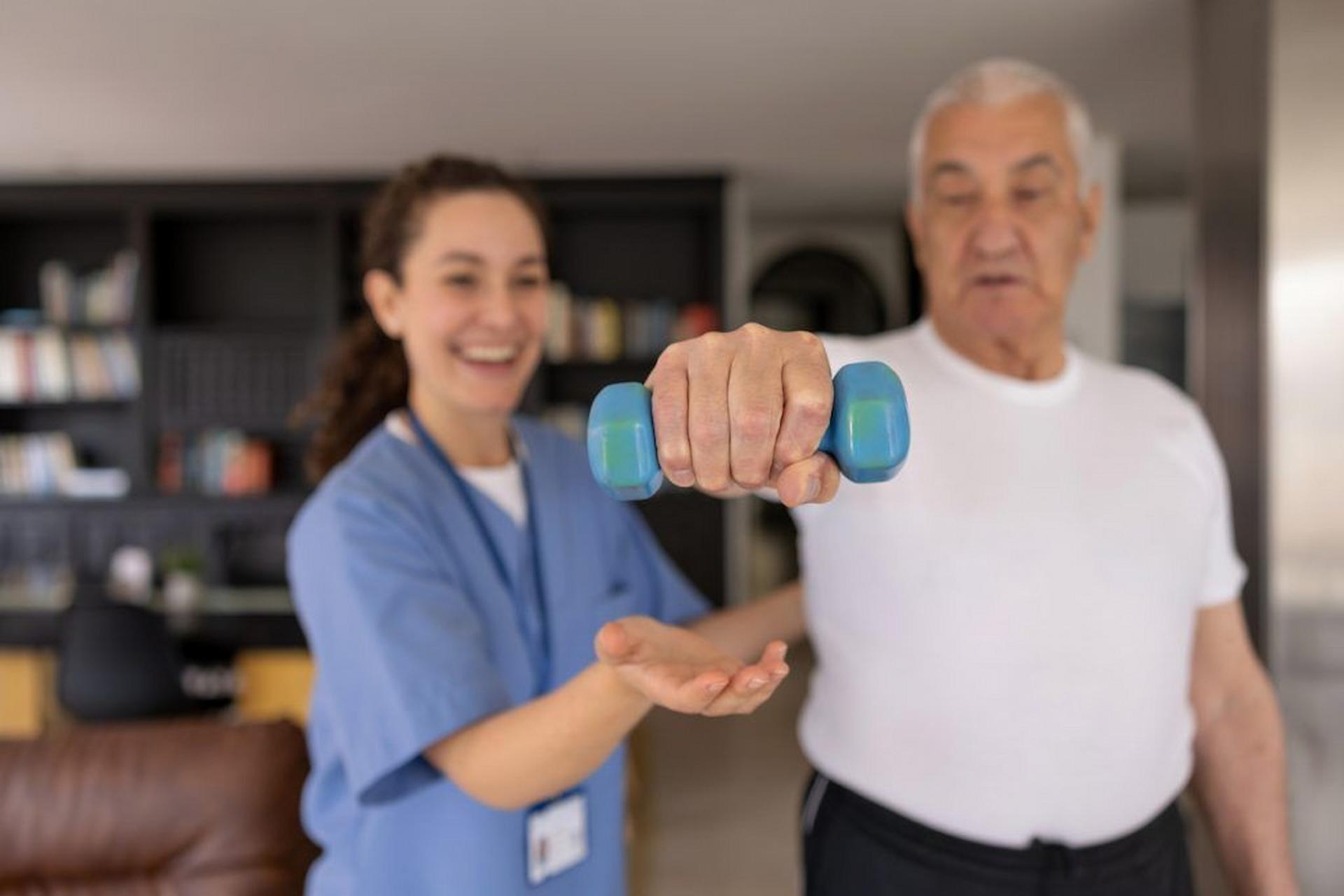
Returning home after a stroke is often a major milestone. It can bring relief, comfort, and a sense of independence after time spent in hospital or rehabilitation. At the same time, it can feel overwhelming. Everyday tasks that once seemed simple may now require more effort, support, or adaptation.
Recovery does not end when someone leaves the hospital. In many cases, the transition home marks the beginning of a new stage of rehabilitation. Access to appropriate support, including professional assistance such as Stroke care at home, can help individuals regain confidence, maintain safety, and continue progressing towards their personal recovery goals.
Understanding the Challenges of Returning Home
Every stroke affects people differently. Some individuals experience physical limitations, while others face cognitive, emotional, or communication difficulties. Many people encounter a combination of challenges.
Common issues after a stroke may include:
- Reduced mobility or balance
- Muscle weakness on one side of the body
- Difficulties with speech and communication
- Memory and concentration problems
- Fatigue and reduced stamina
- Emotional changes such as anxiety, frustration, or depression
Because recovery varies from person to person, support plans should reflect individual needs and circumstances.
Preparing the Home Environment
Creating a safe and comfortable living space is often one of the first priorities when returning home.
Healthcare professionals may recommend certain adaptations to reduce risks and improve accessibility. These can include:
- Installing handrails on stairs
- Adding grab bars in bathrooms
- Removing trip hazards such as loose rugs
- Improving lighting throughout the home
- Rearranging furniture to create clear walking paths
- Using specialist equipment such as shower chairs or mobility aids
Small changes can make a significant difference in helping someone move around safely and maintain independence.
The Role of Personal Care Support
Many stroke survivors require assistance with daily activities during recovery. Personal care support can help bridge the gap between hospital discharge and independent living.
Support may involve help with:
- Washing and bathing
- Dressing and grooming
- Meal preparation
- Medication reminders
- Mobility assistance
- Toileting and continence care
The level of support required often changes over time. Some people need temporary assistance while they regain strength, while others may require longer-term care.
A flexible care plan allows support to evolve alongside recovery progress.
Rehabilitation Continues at Home
Rehabilitation is a crucial part of stroke recovery. Returning home does not mean therapy stops. In fact, many rehabilitation activities become integrated into everyday life.
Physiotherapy can help improve strength, mobility, and balance. Occupational therapy focuses on practical tasks and adapting to daily routines. Speech and language therapy may support communication and swallowing difficulties.
Practising skills in a familiar environment often helps people apply what they have learned during formal therapy sessions. Consistent encouragement and support can make these activities feel less daunting and more achievable.
Emotional and Mental Wellbeing
The emotional impact of a stroke can be just as significant as the physical effects.
Many people experience a range of emotions during recovery, including:
- Anxiety about future health
- Frustration with physical limitations
- Loss of confidence
- Mood changes
- Feelings of isolation
Family members may also find the adjustment challenging.
Open communication, emotional support, and regular social interaction can play an important role in overall wellbeing. Professional carers, family members, friends, and support groups can all contribute to creating a positive recovery environment.
Recognising emotional challenges early allows individuals to seek appropriate support when needed.
Supporting Family Caregivers
Family members often become an important part of the recovery journey. While many relatives are eager to help, caregiving responsibilities can be physically and emotionally demanding.
Balancing personal commitments with caregiving duties may create additional stress. Professional support services can help relieve some of this pressure by providing practical assistance and allowing family members time to rest and maintain their own wellbeing.
When caregivers receive adequate support, they are often better equipped to provide consistent encouragement and assistance to their loved ones.
Encouraging Independence
One of the most important aspects of stroke recovery is promoting independence wherever possible.
Although it may be tempting for family members to take over tasks, encouraging individuals to participate in daily activities can support recovery and confidence-building.
This might involve:
- Completing simple household tasks
- Preparing light meals
- Managing personal routines
- Participating in hobbies and interests
- Gradually increasing physical activity
Small achievements can have a powerful impact on motivation and self-esteem.
The goal is not necessarily to return to life exactly as it was before the stroke, but to help individuals achieve the highest possible level of independence and quality of life.
Building a Long-Term Recovery Plan
Stroke recovery is rarely a straight path. Progress may come gradually, and setbacks can sometimes occur. Having a realistic, flexible long-term plan helps individuals and families navigate these challenges more effectively.
Regular reviews of care needs, ongoing communication with healthcare professionals, and access to appropriate support services all contribute to successful recovery outcomes.
Every person’s journey will be different, but the right combination of care, rehabilitation, emotional support, and encouragement can help create a strong foundation for the future.
Conclusion
Returning home after a stroke represents an important step forward, but it also introduces new challenges that require thoughtful planning and support. Recovery extends far beyond the hospital setting, involving physical rehabilitation, emotional adjustment, and practical assistance with everyday life.
With a safe home environment, personalised care, ongoing therapy, and strong support networks, stroke survivors can continue making meaningful progress. While recovery timelines vary, the right support can help individuals rebuild confidence, maximise independence, and improve their overall quality of life as they move forward after a stroke.